CSaR Monthly Magazine of CUTM
Once upon a time, winter arrived in India, painting the landscape in hues of frost and mist. From the snow-capped mountains of the north to the sun-kissed shores of the south, the entire country was engulfed in the magic of the season. As the temperatures […]
CultureOnce upon a time, winter arrived in India, painting the landscape in hues of frost and mist. From the snow-capped mountains of the north to the sun-kissed shores of the south, the entire country was engulfed in the magic of the season. As the temperatures dropped, people from different states prepared to celebrate the winter with their unique and vibrant rituals.
In the northern state of Himachal Pradesh, the majestic snowfall brought joy and excitement. The locals gathered to celebrate the Himachal Winter Carnival, a week-long extravaganza of dance, music, and sports. Amidst the snowflakes, they performed traditional dances like the Nati and shared stories by the bonfire, passing on their heritage to the younger generation.
Traveling eastward to West Bengal, winter was the time for Saraswati Puja. The streets were adorned with colorful rangolis, and the aroma of sweet delicacies filled the air. Students offered their books and instruments to the Goddess of Knowledge, seeking blessings for their studies. Art and music flourished, and the cultural programs showcased the state’s deep-rooted artistic heritage.
In the western state of Gujarat, the festival of Uttarayan or Makar Sankranti was celebrated with great enthusiasm. The skies came alive with vibrant kites soaring high, symbolizing freedom and happiness. Families gathered on rooftops, engaging in friendly kite-flying competitions, and savoring traditional dishes like undhiyu and jalebi.
Moving south to Kerala, the advent of winter meant the onset of the traditional festival, Theyyam. This colorful ritualistic performance was a visual spectacle, where artists adorned elaborate costumes and danced with fervor to invoke deities. The atmosphere was charged with a spiritual energy, and devotees sought blessings and protection for the year ahead.
In the desert state of Rajasthan, winter brought respite from scorching temperatures, and the Rajasthan International Folk Festival (RIFF) commenced in Jodhpur. Musicians, artists, and storytellers from around the world gathered to showcase their talents, adding a global flair to the rich Rajasthani culture.
As winter embraced the northeastern state of Assam, the Bihu festival filled the air with joyous melodies and dances. The traditional Bihu dance celebrated the harvest season and the spirit of unity among the farming communities. People exchanged Bihu greetings, and feasts with mouthwatering dishes like pithas and laru were shared.
Finally, in the western state of Maharashtra, winter marked the beginning of the vibrant festival, Sankranti. Families adorned their homes with colorful rangolis and offered prayers to the Sun God. People gathered on the streets, flying kites and indulging in the mouth watering delicacy, tilgul, symbolizing the sweetness of relationships.
As winter transcended through the diverse regions of India, the country united in its celebration of rituals, customs, and traditions. The season served as a reminder of the cultural richness and diversity that lay embedded in India’s heart. It was a time of togetherness, where people from different states came together to rejoice in the warmth of festivities and create unforgettable memories. And thus, as the winter drew to a close, India emerged stronger and more connected, ready to embrace the changing seasons and continue its timeless legacy of unity in diversity.
In the face of escalating environmental challenges, the need for sustainable technology has become increasingly evident. As societies seek ways to combat climate change, reduce pollution, and conserve resources, innovative technologies are emerging to shape a greener and more sustainable future. These cutting-edge solutions span […]
Science and TechnologyIn the face of escalating environmental challenges, the need for sustainable technology has become increasingly evident. As societies seek ways to combat climate change, reduce pollution, and conserve resources, innovative technologies are emerging to shape a greener and more sustainable future. These cutting-edge solutions span various industries, offering hope for a world where economic growth and ecological balance can coexist harmoniously.
Renewable Energy Revolution
One of the cornerstones of sustainable technology lies in the realm of renewable energy. Harnessing natural resources to generate clean energy has the potential to revolutionize the way we power our world.
Solar power technologies, including photovoltaic cells and concentrated solar power, have made significant strides in efficiency and affordability. Solar farms and rooftop solar installations are increasingly commonplace, contributing to a decentralized and eco-friendly energy landscape.
Wind power, too, has seen remarkable growth, with the development of larger and more efficient wind turbines. Offshore wind farms are expanding, taking advantage of strong and consistent winds to produce substantial amounts of electricity.
Advancements in hydropower, geothermal energy, and bioenergy further diversify the renewable energy portfolio, offering viable alternatives to fossil fuels.
Energy Storage and Grid Modernization
Sustainable technology also addresses the intermittency of renewable energy sources through innovations in energy storage and grid modernization.
Energy storage technologies, such as lithium-ion batteries, flow batteries, and pumped hydro storage, play a pivotal role in storing surplus renewable energy for use during periods of low generation. These solutions contribute to a stable and reliable power supply, reducing dependency on fossil fuel-based backup systems.
Grid modernization, with the integration of smart grids and advanced control systems, facilitates efficient energy distribution, enables demand-response mechanisms, and optimizes energy usage.
Green Transportation
Transportation is a significant contributor to greenhouse gas emissions, making the shift to greener transportation paramount in sustainable technology.
Electric vehicles (EVs) have emerged as a promising solution to curb emissions from the transportation sector. Advances in battery technology have extended EV range and reduced charging times, making them more practical for everyday use.
Additionally, the development of hydrogen fuel cell vehicles offers another avenue for zero-emission transportation.
Beyond electrification, sustainable transportation includes the promotion of public transit, cycling infrastructure, and walkable cities, encouraging cleaner and more sustainable commuting options.
Circular Economy and Waste Management
Sustainable technology also addresses the issue of waste management and resource conservation through circular economy principles.
Innovations in recycling technologies enable the recovery of valuable materials from waste streams, reducing the burden on natural resources and mitigating environmental pollution.
Waste-to-energy technologies, such as anaerobic digestion and waste incineration with energy recovery, convert organic waste into renewable energy sources.
Circular economy models advocate for the redesign of products and processes, prioritizing reuse, repair, and recycling over disposal.
Smart Agriculture and Food Security
Sustainable technology plays a crucial role in ensuring food security while minimizing environmental impact.
Precision agriculture employs advanced sensors, IoT devices, and AI algorithms to optimize crop production, resource usage, and pest management. This technology enhances agricultural efficiency, reduces water consumption, and limits chemical inputs.
Vertical farming and hydroponics offer innovative ways to grow crops in urban environments, reducing the need for long-distance transportation and preserving arable land.
Green Building and Sustainable Design
In the realm of architecture and construction, sustainable technology leads to greener buildings and eco-friendly urban planning.
Green building practices prioritize energy efficiency, renewable energy integration, and the use of eco-friendly materials. This results in reduced carbon footprints and lower operational costs.
Passive design strategies, such as maximizing natural light and ventilation, contribute to energy conservation and enhanced occupant comfort.
The emergence of sustainable technology represents a beacon of hope for a greener and more sustainable tomorrow. Innovations in renewable energy, energy storage, green transportation, waste management, agriculture, and building design showcase the potential for a harmonious coexistence between human progress and environmental preservation. Embracing sustainable technology is not only essential to mitigate the impacts of climate change but also to secure a more prosperous and sustainable future for generations to come. By fostering collaboration between policymakers, businesses, and researchers, we can accelerate the adoption of sustainable technologies and create a world where economic prosperity and ecological well-being go hand in hand.
In the annals of India’s struggle for independence from British colonial rule, the resolute spirits and unwavering determination of its women freedom fighters remain an indomitable testament to their courage and sacrifice. Throughout the tumultuous years leading up to India’s hard-fought freedom, countless remarkable women […]
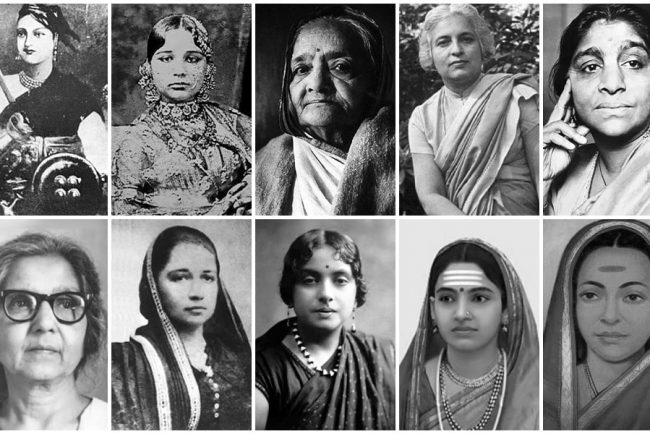
Cover StoriesIn the annals of India’s struggle for independence from British colonial rule, the resolute spirits and unwavering determination of its women freedom fighters remain an indomitable testament to their courage and sacrifice. Throughout the tumultuous years leading up to India’s hard-fought freedom, countless remarkable women played pivotal roles, shattering gender barriers and fighting side by side with their male counterparts. This cover story aims to commemorate the remarkable contributions of these fearless women, who became the vanguards of change and symbolized the power of Shakti (strength) in India’s fight for liberation.
The Extraordinary Resolve of Rani Lakshmibai:
Among the most celebrated heroines of India’s freedom struggle was Rani Lakshmibai of Jhansi, the warrior queen who fiercely resisted British annexation. A valiant leader and skilled combatant, she fearlessly challenged the British East India Company during the Indian Rebellion of 1857. Rani Lakshmibai’s exceptional valor and leadership inspired countless others to join the fight, leaving an enduring legacy that continues to inspire generations of women in India.
The Iconic Revolt of the Rani of Jhansi:
Another inspirational figure who left an indelible mark on India’s fight for freedom was the Rani of Jhansi, who valiantly took up arms to protect her kingdom from British encroachment. Born as Manikarnika Tambe, she was later named Lakshmibai after marrying Maharaja Raja Gangadhar Rao of Jhansi. Following her husband’s death, the British attempted to seize Jhansi under the Doctrine of Lapse, which ignited the fire of resistance within Lakshmibai. She led her forces fearlessly and laid down her life defending her beloved Jhansi, becoming a symbol of female fortitude and defiance against imperial rule.
The Fearless Begum Hazrat Mahal:
In the pages of India’s history, Begum Hazrat Mahal’s name stands tall as an emblem of bravery and strategic acumen. After her husband Nawab Wajid Ali Shah was exiled by the British, she took charge of the Awadh region and rallied the people to revolt against the oppressive British regime. Her leadership during the Indian Rebellion of 1857 proved instrumental in challenging the British, and her resilience in the face of adversity continues to inspire women across the nation.
The Unyielding Determination of Sarojini Naidu:
While some women took up arms, others wielded the power of words to rouse the masses. Sarojini Naidu, fondly known as the “Nightingale of India,” was a poet and freedom fighter who used her eloquence to advocate for India’s independence. Her inspirational poetry stirred the hearts of millions, and she became an essential figure in the Indian National Movement, working closely with Mahatma Gandhi. Her contribution to India’s freedom struggle and her commitment to women’s rights make her an iconic symbol of resilience and strength.
The Fearless Avant-Garde – Captains Lakshmi and Aruna:
As the struggle for independence escalated, two courageous women emerged as leaders of the Indian National Army (INA), founded by Netaji Subhas Chandra Bose. Captain Lakshmi Sahgal, also known as Captain Lakshmi, and Aruna Asaf Ali, were instrumental in the INA’s formation and actively participated in organizing and leading the women’s regiment. Captain Lakshmi was an exemplary doctor who put her profession on hold to join the freedom movement, while Aruna Asaf Ali became an influential political leader, fearlessly defying British authorities and inspiring countless women to join the fight.
The Uniting Force – Annie Besant:
The Indian freedom movement was not just led by Indian-born women; it also garnered support from passionate foreigners who recognized the injustice of British colonial rule. One such dynamic personality was Annie Besant, a British social reformer and women’s rights advocate who made India her home. She became a prominent figure in India’s political landscape, championing the cause of independence and working tirelessly to alleviate the plight of Indian women. Her profound impact on the freedom movement and her dedication to India’s struggle highlight the global significance of India’s quest for freedom.
As we reflect on the history of India’s struggle for independence, it becomes evident that women played an integral role in the fight against British colonialism. These brave women defied societal norms, overcame unimaginable challenges, and demonstrated unwavering courage in their pursuit of a free and independent India. Their stories continue to inspire and remind us of the power of determination, resilience, and unity in the face of adversity. As a nation, we owe an eternal debt of gratitude to these women freedom fighters who secured our future and paved the way for a more equitable and progressive India. Their legacies stand as shining beacons of hope, encouraging every Indian to embrace their own potential and contribute to the betterment of our nation.
Throughout history, there have been individuals whose profound ideas and visionary thinking have reshaped the very fabric of human thought. These revolutionary minds transcended their time and left an indelible mark on society, science, philosophy, and culture. From challenging the status quo to introducing groundbreaking […]
HistoryThroughout history, there have been individuals whose profound ideas and visionary thinking have reshaped the very fabric of human thought. These revolutionary minds transcended their time and left an indelible mark on society, science, philosophy, and culture. From challenging the status quo to introducing groundbreaking theories, these visionaries propelled humanity forward. In this article, we will explore some of these exceptional thinkers and their enduring impact on the world.
Aristotle, a Greek philosopher born in 384 BCE, stands as one of the most influential thinkers in history. As a student of Plato and a mentor to Alexander the Great, Aristotle’s contributions to various fields were vast and far-reaching. His works covered ethics, politics, metaphysics, biology, and more. His emphasis on empirical observation and logic laid the foundation for the scientific method, and his ideas influenced the works of countless philosophers for centuries to come.
In the 17th century, Galileo Galilei challenged the prevailing beliefs of his time with groundbreaking observations and experiments. He constructed the first telescope, enabling him to make celestial discoveries that supported the heliocentric model proposed by Copernicus. Galileo’s advocacy for the scientific method and empirical evidence paved the way for modern astronomy and physics. His work laid the groundwork for our understanding of the natural world and led to a scientific revolution.
In the 18th century, Immanuel Kant emerged as a pivotal figure in the Enlightenment movement. His philosophical inquiries sought to reconcile rationalism and empiricism while exploring the nature of human cognition and morality. Kant’s concept of the “categorical imperative” and his ideas on ethics and metaphysics profoundly impacted Western philosophy. His emphasis on individual autonomy and the pursuit of knowledge remains relevant in contemporary debates.
Mary Wollstonecraft, an English writer and philosopher of the 18th century, stands as an early advocate for women’s rights and gender equality. In her seminal work, “A Vindication of the Rights of Woman,” she argued that women are not inherently inferior to men but rather lack equal opportunities for education and self-improvement. Her writings laid the groundwork for the feminist movement, inspiring generations of women to fight for their rights and challenge societal norms.
In the mid-19th century, Charles Darwin’s theory of evolution caused a seismic shift in scientific thinking. His work, “On the Origin of Species,” proposed the idea of natural selection as the driving force behind the diversity of life on Earth. This groundbreaking theory challenged conventional religious beliefs and sparked debates that continue to this day. Darwin’s contributions to biology and his approach to natural observation transformed our understanding of the living world.
The 20th century witnessed the rise of Albert Einstein, a theoretical physicist whose ideas revolutionized modern physics. Einstein’s theory of relativity fundamentally altered our understanding of time, space, and gravity. His equation, E=mc², revealed the equivalence of mass and energy and laid the foundation for nuclear energy and atomic weaponry. Einstein’s intellect and creativity earned him a place as one of the greatest scientific minds in history.
In the realm of social and political philosophy, Mahatma Gandhi’s philosophy of nonviolent resistance, or Satyagraha, became a potent force for change during India’s struggle for independence. Gandhi’s principles of nonviolence, civil disobedience, and communal harmony inspired civil rights movements around the world, including the American Civil Rights Movement led by Martin Luther King Jr. Gandhi’s influence transcended borders and demonstrated the power of peaceful activism.
Martin Luther, a 16th-century German theologian and monk, initiated the Protestant Reformation by challenging the practices of the Roman Catholic Church. His “95 Theses” denounced the sale of indulgences and advocated for a return to the fundamental teachings of Christianity found in the Bible. Luther’s actions sparked a religious revolution, leading to the establishment of various Protestant denominations that significantly influenced the course of Christianity.
These visionary thinkers, among many others, left a lasting legacy that continues to shape human thought and society. Their courage to challenge prevailing beliefs and their commitment to exploring new frontiers propelled humanity forward, ushering in eras of enlightenment, scientific progress, social change, and cultural transformation. As we reflect on the contributions of these revolutionary minds, we are reminded of the importance of intellectual curiosity, critical thinking, and the pursuit of knowledge in shaping a better future for all of humanity. Their stories serve as an inspiration for generations to come, urging us to think boldly and envision a world yet to be discovered.
In the vast tapestry of India’s rich cultural heritage, few garments have woven themselves as deeply into the fabric of tradition as the sari. Embodied in its very name, “sari” – meaning “strip of cloth” in Sanskrit – is much more than a simple garment. […]
Traditional DressIn the vast tapestry of India’s rich cultural heritage, few garments have woven themselves as deeply into the fabric of tradition as the sari. Embodied in its very name, “sari” – meaning “strip of cloth” in Sanskrit – is much more than a simple garment. For countless generations, Indian women (and a few men) have embraced this magical unstitched attire, elevating it to the status of a national symbol, an ambassador of timeless design and craftsmanship, and a reflection of the diverse and colorful tapestry of India’s 29 states.
The history of the sari can be traced back to antiquity, with its first mention dating to the Rig Veda, a sacred Hindu text from 3,000 B.C. Draped garments adorned the sculptures of ancient India, a testament to the sari’s enduring allure throughout the centuries. Its appeal lies not only in its aesthetic beauty but also in its practicality, making it ideally suited to India’s blazingly hot climate and modest-dress customs within both Hindu and Muslim communities. Beyond India’s borders, the sari remains an emblem of tradition for women in neighboring South Asian countries like Pakistan, Bangladesh, and Nepal.
India, with its deeply rooted handicraft culture, stands as a powerhouse for dyeing, printing, and silk weaving, each skill reflected in one of the estimated 30 regional varieties of saris. In the ancient city of Varanasi, weavers still labor over traditional wooden looms, crafting the opulent Banarasi silk saris, often adorned with metallic zari thread and cherished by brides. Meanwhile, Kerala’s predominantly white sett mundu saris pay homage to the styles prevalent before the advent of industrialization and the vibrant aniline dyes that now grace the subcontinent.
Each sari, a captivating piece of art in its own right, carries with it a story deeply intertwined with the society and people around it. From the Balchuri saris of West Bengal, inspired by the designs found on the terracotta temples of the region, to the myriad other styles that span the nation, the sari is a living history book, representing the distinct flavors of each region.
Regrettably, the relentless forces of globalization and mass production have threatened the livelihoods of many traditional weaving families, with machine-loomed saris, including poorly copied imitations, flooding the market. The impact of this shift is acutely felt by those who have spent generations perfecting their craft, only to find themselves out of work and their looms rendered obsolete.
Despite these challenges, the sari continues to find its place in contemporary Indian society. While older generations still embrace the sari as a part of their daily attire, younger women and city dwellers often opt for Western clothing or salwar suits for practicality. Nevertheless, the sari remains an integral part of important occasions, with weddings and celebrations calling for its resplendent drapes.
A single sari presents countless possibilities, with over a hundred ways to drape it, each dependent on the region, fabric, and the wearer’s preferences and activities for the day. The Nivi drape, with its elegant pleats and draped pallu over the shoulder, stands as a timeless classic, while the rural Dharampur drape showcases the sari’s versatility, transforming it into knee-length bloomers with clever folds.
From the bustling streets of Mumbai, where women cycle clad in vibrant saris, to the silver screen of Bollywood, where actresses dazzle in their ornate attire, the sari is an ever-present thread connecting generations and communities across India. Tourists and locals alike explore the labyrinthine alleys, searching for the perfect sari to take home as a cherished souvenir.
The sari, unlike some traditional garments confined to specific nationalities or beliefs, welcomes admirers from all walks of life. Its kaleidoscopic beauty and mythical aura draw in people from around the world, who, in turn, don this garment as a tribute to India’s rich cultural heritage.
As the journey to find the perfect sari weaves through shops and tailors, it becomes evident that acquiring this precious fabric is not merely a transaction but an experience. The sari is a celebration of life, love, and creativity – a piece of fabric that has transformed into an iconic symbol, embracing countless variations and honoring the spirit of unity and diversity that defines India.
In a world that perpetually changes, the sari stands steadfast, an enduring symbol of elegance and grace. It is a testament to India’s timeless legacy, a work of art that embodies the essence of a nation and continues to enthrall and inspire generations to come. The sari is a story woven into every fold, a tale that unfolds with every drape, and a celebration of India’s vibrant tapestry of traditions and cultures.
The Silk Road stands as one of the most remarkable networks of trade and cultural exchange in the ancient world. Stretching over thousands of miles, this historic route connected the East and West, enabling the flow of goods, ideas, and cultures between diverse civilizations. The […]
HistoryThe Silk Road stands as one of the most remarkable networks of trade and cultural exchange in the ancient world. Stretching over thousands of miles, this historic route connected the East and West, enabling the flow of goods, ideas, and cultures between diverse civilizations. The legacy of the Silk Road endures to this day, shaping our understanding of the past and reminding us of the power of interconnectedness.
Origin and Expansion of the Silk Road
The Silk Road’s origins can be traced back to the Han Dynasty of China around the 2nd century BCE. Emperor Wu of Han sought to establish diplomatic and trade relations with the West, leading to the commencement of the Silk Road. Initially, the route primarily facilitated the trade of silk, a highly sought-after commodity in the West. However, as the route evolved, it became a conduit for a wide array of goods, including spices, precious metals, textiles, gems, and technologies.
The Route and Cultural Exchange
The Silk Road consisted of multiple interconnected overland and maritime routes, spanning from China to the Mediterranean and beyond. The land route passed through several key points, such as Chang’an (modern-day Xi’an), Dunhuang, Samarkand, and Constantinople (modern-day Istanbul). Meanwhile, the maritime route connected China with the Indian subcontinent, the Arabian Peninsula, and further to Europe.
This extensive trade network fostered a profound cultural exchange between the East and West. Ideas, philosophies, religious beliefs, and artistic influences transcended borders, enriching the lives of people along the Silk Road. Buddhism, which originated in India, spread to East Asia through this route, while goods such as Chinese silk, Indian spices, and Roman glassware found their way into distant lands.
Impact on Economies and Empires
The Silk Road played a pivotal role in shaping the economies of the civilizations it connected. Cities along the route flourished as bustling centers of commerce and culture. The wealth generated from trade bolstered the power of empires, and the taxes levied on goods passing through their territories contributed to their prosperity. Prominent empires, such as the Roman Empire, the Parthian Empire, and the Han Dynasty, benefited significantly from the Silk Road trade.
Notable Travelers and Explorers
The Silk Road witnessed the travels of numerous intrepid explorers and adventurers. Among them, the most famous was the Chinese Buddhist monk Xuanzang, who embarked on a perilous journey to India to obtain sacred Buddhist texts. His epic journey inspired the classic Chinese novel “Journey to the West.” Similarly, Marco Polo, the Venetian merchant, traveled extensively along the Silk Road and documented his experiences, introducing the wonders of the East to Europe.
Decline and Legacy
The decline of the Silk Road can be attributed to various factors, including the rise of maritime trade routes, the fall of empires, and political instability. The discovery of sea routes during the Age of Exploration made maritime trade more efficient and economical. Moreover, with the disintegration of the Mongol Empire, which had facilitated safe passage along the route, the Silk Road’s prominence waned.
However, the legacy of the Silk Road persists in the annals of history. Its role in promoting cultural exchange and fostering cooperation between diverse civilizations remains unparalleled. The exchange of goods, technologies, and knowledge had a profound impact on the development of societies along the route. It laid the groundwork for future global trade networks and contributed to the emergence of a truly interconnected world.
The Silk Road was more than a mere trade route; it was a conduit of knowledge, culture, and human interaction. It brought together people from different corners of the world, fostering understanding and mutual respect. As we trace the footsteps of those ancient traders and travelers, we find ourselves connected to a shared heritage, reminding us of the significance of unity and cooperation in shaping a harmonious world. The Silk Road serves as a timeless reminder that the threads of history, like silk itself, are interwoven, and our journeys through time continue to shape the world we live in today.
India’s rich cultural heritage is renowned worldwide for its vibrant diversity and artistic brilliance. Among its most treasured treasures are the traditional performing arts, which have been nurtured and passed down through generations for centuries. These timeless art forms encompass music, dance, theater, and storytelling, […]
CultureIndia’s rich cultural heritage is renowned worldwide for its vibrant diversity and artistic brilliance. Among its most treasured treasures are the traditional performing arts, which have been nurtured and passed down through generations for centuries. These timeless art forms encompass music, dance, theater, and storytelling, representing a tapestry of emotions, beliefs, and traditions. Rooted in history, mythology, and spirituality, India’s traditional performing arts continue to captivate audiences with their unparalleled artistry and mastery.
Written by Adyasha Parida, Harshita Singh, Khumbar Debbarma, B.FSc, 8th Sem
Music, the universal language that transcends barriers, finds its true essence in India’s classical music traditions. Divided into two main genres, Hindustani and Carnatic, Indian classical music is a complex system of ragas (melodic patterns) and talas (rhythmic cycles). The mesmerizing melodies produced by instruments like the sitar, sarod, veena, flute, and tabla, among others, weave together intricate improvisations and disciplined techniques.
Hindustani classical music, with its origins in North India, embodies a soulful and expressive style, while Carnatic music, originating in South India, is characterized by its rhythmic precision and intricate compositions. Masters of these forms, like Ravi Shankar, Zakir Hussain, M.S. Subbulakshmi, and L. Subramaniam, have elevated the status of Indian classical music to a global platform, showcasing its profound beauty to the world.
The art of Indian classical dance is equally enchanting and holds a significant place in the country’s cultural landscape. Each dance form has its unique style, repertoire, and symbolism, reflecting the diverse traditions and customs of various regions. Bharatanatyam from Tamil Nadu, Kathak from North India, Odissi from Odisha, Manipuri from Manipur, Kuchipudi from Andhra Pradesh, and Mohiniyattam from Kerala are some of the well-known classical dance forms.
Indian classical dance is a harmonious blend of expressive hand gestures (mudras), intricate footwork, graceful movements, and elaborate facial expressions that narrate tales from mythology, epics, and folklore. Through their performances, skilled dancers like Birju Maharaj, Mallika Sarabhai, Shovana Narayan, and Alarmel Valli preserve and promote the legacy of Indian dance forms, leaving audiences spellbound with their virtuosity.
Theater, another essential component of India’s traditional performing arts, has a long and illustrious history that dates back to ancient times. Classical Sanskrit dramas, such as those written by Kalidasa, Bhasa, and Shudraka, showcase the intricacies of human emotions and moral dilemmas, often interwoven with mythical and historical narratives. These plays are performed through elaborate costumes, vibrant makeup, and eloquent dialogue delivery.
The traditional theater is not confined to scripted performances alone; it also includes vibrant folk theater forms that have evolved over time in different regions. Yakshagana from Karnataka, Bhand Pather from Jammu and Kashmir, Jatra from West Bengal, and Ramlila from North India are just a few examples of the diverse folk theater forms that continue to entertain and educate audiences with their social commentary and cultural significance.
Storytelling, an ancient art form that transcends time and age, forms the foundation of India’s oral traditions. Passed down from generation to generation, stories of gods, heroes, demons, and sages have been preserved through epic poems like the Ramayana and the Mahabharata. The tradition of Kathakali, a dance-drama from Kerala, and Baul performances from Bengal are living examples of how storytelling remains a vibrant and integral part of India’s cultural heritage.
India’s traditional performing arts are not only a source of entertainment but also serve as a means of spiritual expression and self-realization. Many of these art forms, particularly in classical dance and music, require years of rigorous training under the guidance of gurus (teachers) to attain mastery. This time-honored teacher-student relationship, known as the guru-shishya parampara, is a sacred bond that fosters not just the technical prowess but also the emotional depth and philosophical understanding of the art.
Despite the challenges posed by modernization and globalization, India’s traditional performing arts have managed to retain their sanctity and significance. Government initiatives, cultural organizations, and dedicated artists have played a crucial role in preserving and promoting these art forms by organizing festivals, workshops, and educational programs. Additionally, the digital age has facilitated broader outreach, allowing traditional arts to reach a global audience and kindle interest in new generations.
In conclusion, India’s traditional performing arts epitomize the country’s cultural richness and artistic brilliance. These art forms, whether it be classical music, dance, theater, or storytelling, offer a glimpse into India’s soul, its ethos, and its collective consciousness. As they continue to inspire and engage audiences worldwide, they stand as a testament to the enduring legacy of artistry and mastery in the land of myriad wonders.
In the kaleidoscope of India’s vibrant cultural heritage, the saree stands as an emblem of timeless elegance and exquisite craftsmanship. Embodied in its luxurious drapes are the stories of India’s diverse regions, each weaving its unique narrative through the threads of tradition. From the opulent […]
Traditional DressIn the kaleidoscope of India’s vibrant cultural heritage, the saree stands as an emblem of timeless elegance and exquisite craftsmanship. Embodied in its luxurious drapes are the stories of India’s diverse regions, each weaving its unique narrative through the threads of tradition. From the opulent Banarasi Silk Sarees to the enchanting Dhakai Jamdani Sarees, let us embark on a journey to discover the history, specialties, and significance of 20 distinct regional sarees that have enthralled generations.
In the celestial realms of Hindu mythology, a grand event was unfolding. The great Lord Brahma, the creator of the universe, had decided to perform a ceremonial Yagya at a special place he named “Pushkar.” This sacred location came into existence when a few petals […]
Traditional FoodIn the celestial realms of Hindu mythology, a grand event was unfolding. The great Lord Brahma, the creator of the universe, had decided to perform a ceremonial Yagya at a special place he named “Pushkar.” This sacred location came into existence when a few petals of his divine lotus flower fell upon the barren lands of Earth during his deep meditation.
Excitement filled the heavens as news spread about the magnificent Yagya organized by Lord Brahma. However, to ensure its success, he needed the presence of his beloved wife, the radiant Goddess Saraswati. He instructed the wise sage Narad Muni to invite Saraswati to the auspicious ceremony.
Narad Muni, known for his musical talents and shrewdness, approached Goddess Saraswati with the invitation. However, Saraswati, equally wise and aware of her worth, politely declined, stating that she would only attend the Yagya if Goddess Lakshmi, Parvati, and Indrani accompanied her. She believed their presence would amplify the divine energies at the event.
Narad Muni rushed back to Lord Brahma to deliver the message. Impatient upon hearing Saraswati’s conditions, Lord Brahma, with his impulsive nature, decided not to wait any longer for her. Instead, he hastily married another Goddess, Gayatri, who was pure, graceful, and worthy of his union. Together, they proceeded with the Yagya, mesmerizing the celestial beings with their divine ceremony. The offerings to the gods, the chants, and the atmosphere were enchanting.
However, fate had other plans. Just as the Yagya was about to conclude, Goddess Saraswati arrived at Pushkar, accompanied by Goddess Lakshmi, Parvati, and Indrani. To her dismay, she found Goddess Gayatri sitting next to Lord Brahma.
Feeling betrayed and hurt by her husband’s actions, Goddess Saraswati’s emotions overwhelmed her. Her anger intensified, and she couldn’t hold back her words. In a moment of despair, she cursed Lord Brahma, declaring that he would never be widely worshipped, and no temples or sacred places would be dedicated to him.
The heavens trembled at the severity of the curse, and the once grand celebration turned somber. Lord Brahma was devastated, realizing the gravity of his impulsive decision. Despite the successful Yagya, the curse cast a shadow on his divine existence.
News of the curse spread like wildfire, reaching all the gods and goddesses, including Lord Shiva, who grew concerned about the balance of the universe and the harmony among the deities. Lord Shiva decided to intervene, calling for a divine assembly and inviting Lord Brahma, Goddess Saraswati, Goddess Gayatri, and the other deities involved.
With his tranquil presence, Lord Shiva diffused the tension and urged everyone to understand the consequences of their actions. Goddess Saraswati regretted her curse, but its damage was done. However, Lord Shiva, in his infinite wisdom, softened its impact. He proclaimed that although Lord Brahma may not be widely worshipped or have grand temples, he would still hold immense significance in the cosmos as the creator of all existence.
From that day onward, Pushkar became a place of deep spiritual importance, where devotees from all over the world gathered to bathe in the sacred lakes and pay homage to the divine energies residing there. Despite the curse, Lord Brahma was revered by a few devoted souls who recognized the profound role he played in the creation of the universe.
The story of Lord Brahma’s Yagya, his impulsive actions, and Goddess Saraswati’s curse became a poignant reminder of the importance of patience, humility, and understanding in the divine realm. It taught the gods and goddesses that even celestial beings were not immune to the consequences of their emotions and decisions.
And so, the universe continued to spin in perfect harmony, with each god and goddess fulfilling their designated roles, imparting eternal lessons of life and spirituality to both heavenly and earthly beings.
Introduction Formula 1, often hailed as the pinnacle of motorsport, is a captivating blend of cutting-edge technology, high-speed adrenaline, and strategic brilliance. From its inception to the present day, Formula 1 has undergone a magical journey, enchanting millions of fans across the globe. In this […]
SportsIntroduction
Formula 1, often hailed as the pinnacle of motorsport, is a captivating blend of cutting-edge technology, high-speed adrenaline, and strategic brilliance. From its inception to the present day, Formula 1 has undergone a magical journey, enchanting millions of fans across the globe. In this article, we embark on a thrilling ride through the history of Formula 1, exploring its evolution into the epitome of racing and celebrating the remarkable players who have left an indelible mark on the sport.
Origins of Formula 1
The roots of Formula 1 can be traced back to the early 20th century when automobile racing began gaining traction. However, it was not until 1950 that the Fédération Internationale de l’Automobile (FIA) introduced the Formula 1 World Championship, marking the birth of modern-day Formula 1. The championship was designed to bring together the best drivers and constructors to compete on the world stage.
The Golden Era of the 1950s
The 1950s witnessed the emergence of legends like Juan Manuel Fangio, Alberto Ascari, and Stirling Moss, who mesmerized fans with their skill and daring on the track. During this era, iconic circuits such as Monza in Italy, Silverstone in the UK, and Monaco’s street circuit gained prominence, etching their names in the annals of motorsport history.
The Advent of Technological Advancements
As the years passed, technological advancements became integral to Formula 1’s evolution. Groundbreaking innovations like aerodynamics, engine development, and tire technology pushed the boundaries of speed and performance. In the 1960s, British racing legend Graham Hill and New Zealand’s Denny Hulme rose to prominence, showcasing the importance of engineering prowess in Formula 1.
The Dominance of Ferrari and McLaren
In the 1970s, the rivalry between Ferrari and McLaren captured the imagination of fans worldwide. The fierce competition between Niki Lauda and James Hunt in the 1976 season remains one of the sport’s most gripping narratives, depicted in the movie “Rush.” In the same decade, the legendary Brazilian driver, Emerson Fittipaldi, and Austria’s Niki Lauda, demonstrated exceptional skill and claimed multiple championships.
The Senna-Prost Duel
The 1980s and early 1990s saw the epic rivalry between Ayrton Senna and Alain Prost, two of the greatest drivers in Formula 1 history. Their contrasting styles and fierce on-track battles, particularly during their time as teammates at McLaren, have become the stuff of legend. Senna’s tragic demise at Imola in 1994 sent shockwaves through the motorsport world, highlighting the dangers and the need for continuous safety improvements.
The Schumacher Era
The late 1990s and early 2000s witnessed the emergence of the legendary Michael Schumacher, whose domination behind the wheel was unparalleled. Schumacher’s exceptional talent and partnership with Ferrari saw him claim seven World Championships, cementing his place as one of the sport’s all-time greats.
The Modern Era and the Reign of Hamilton
In recent years, the sport has been graced by the extraordinary talent of Lewis Hamilton. The British driver’s skill, consistency, and tenacity have set new standards in Formula 1. Hamilton’s rivalry with Sebastian Vettel and the rise of young talents like Max Verstappen have added new layers of excitement to the sport.
Noted Players Who Excelled in Formula 1
Throughout Formula 1’s magical journey, several drivers have made an indelible mark on the sport. Here are some of the most celebrated names:
Formula 1’s magical journey from its humble origins to becoming a global phenomenon is a testament to the sport’s allure and fascination. As drivers and teams continue to push the limits of technology and human ability, the quest for glory and the roar of engines on race weekends remain a spellbinding spectacle. From the iconic figures of the past to the contemporary stars, Formula 1 has always been defined by exceptional talent, fierce rivalries, and heart-stopping moments. As we celebrate the legacy of the sport, we eagerly anticipate the new chapters and legendary players that will emerge in Formula 1’s thrilling future.